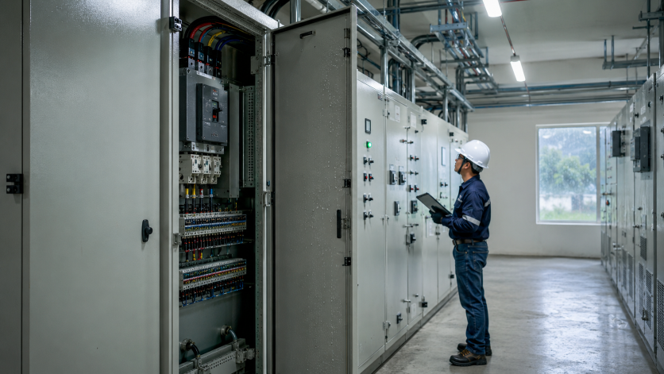
The rainy season brings more than frequent downpours and higher humidity, especially here in the Philippines. For commercial, industrial, and institutional facilities, it can also introduce electrical risks that may affect system performance, equipment condition, and operational reliability.
Moisture intrusion, condensation, corrosion, insulation deterioration, and inappropriate enclosure selection can all contribute to electrical faults when not properly addressed. This is why panelboards and switchgear should be designed, fabricated, installed, and maintained according to their actual operating environment.
How Rainy-Season Conditions Affect Electrical Equipment
Electrical equipment may be installed indoors, outdoors, in utility areas, near open building sections, or in locations exposed to dust, moisture, and changing temperatures. During the rainy season, these conditions may become more challenging.
Even when equipment is not directly exposed to rain, increased humidity and temperature changes can create condensation inside enclosures. Over time, moisture may affect metal parts, insulation materials, busbars, terminals, protective devices, and other internal components.
Understanding these risks helps facility owners and project teams make better decisions when specifying electrical equipment.
Common Rainy-Season Risks for Panelboards and Switchgear
1. Moisture Intrusion
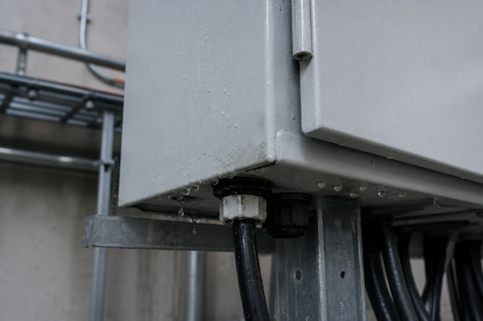
Water may enter an enclosure through improperly sealed openings, cable entry points, damaged gaskets, loose doors, or unsuitable installation locations.
Once moisture reaches energized components, it may increase the risk of short circuits, insulation breakdown, tracking, and equipment malfunction.
Proper enclosure design, workmanship, sealing, and installation are important in reducing these risks.
2. Condensation Inside the Enclosure
Condensation can form when warm, humid air comes into contact with cooler metal surfaces. This may happen even inside enclosed electrical rooms, especially where temperature and humidity levels frequently change.
Small amounts of moisture may accumulate on internal surfaces and components. When left unaddressed, condensation may contribute to corrosion, contamination, and reduced insulation performance.
Ventilation, temperature control, space heaters, and anti-condensation provisions may be considered depending on the application and site conditions.
3. Corrosion of Metal Components
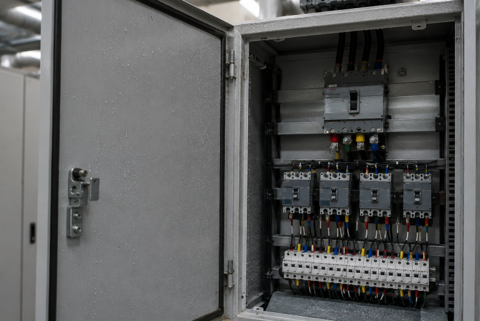
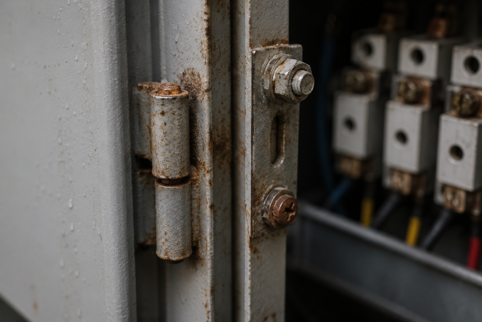
High humidity and moisture can accelerate corrosion, particularly on untreated metal surfaces, hardware, hinges, terminals, and enclosure components.
Corrosion may weaken mechanical connections, affect door alignment, damage protective finishes, and increase electrical resistance at connection points.
The use of suitable enclosure materials, proper surface preparation, durable finishing, and routine inspection can help protect equipment against premature deterioration.
4. Insulation Deterioration
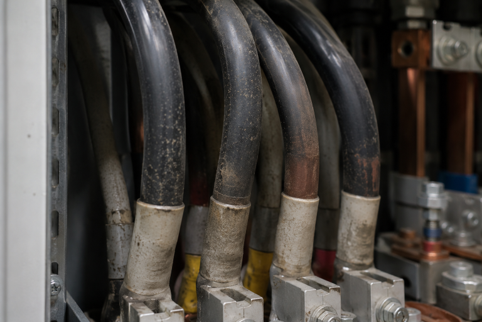
Electrical insulation is designed to separate energized components and prevent unintended current flow. However, moisture, dirt, contaminants, and prolonged humidity exposure may reduce insulation effectiveness.
Deteriorated insulation can increase the risk of leakage current, arcing, tracking, and electrical faults. Regular inspection and insulation resistance testing can help identify developing concerns before they lead to equipment failure.
5. Loose or Exposed Cable Entry Points
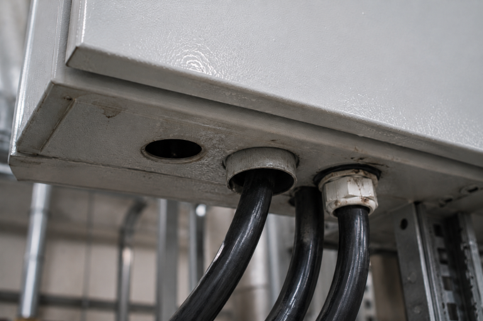
Cable entry points are common areas where moisture, dust, insects, and contaminants may enter an enclosure.
Unused openings should be properly covered, while installed cables should use appropriate glands, bushings, sealing materials, and entry provisions. Poorly managed cable entries may compromise the protection provided by the enclosure.
Selecting the Right Enclosure for the Application
Not all electrical enclosures are intended for the same environment.
Equipment installed in a clean and controlled indoor electrical room may require a different enclosure compared with equipment installed outdoors, in parking areas, near production zones, or in locations exposed to rain and dust.
Enclosure selection should consider:
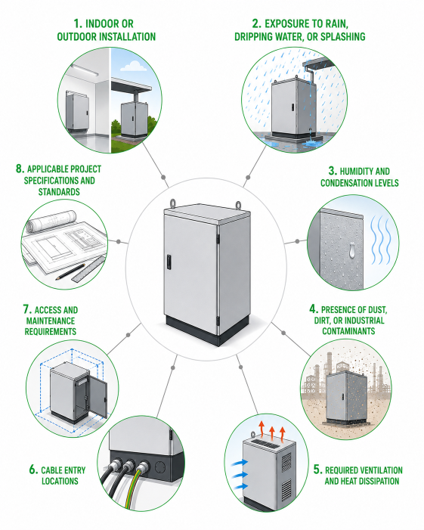
Using a higher enclosure rating does not automatically guarantee reliable operation. The entire assembly, including doors, gaskets, locks, louvers, cable openings, and mounting provisions, must be appropriate for the intended application.
Fabrication Quality Matters
Panelboards and switchgear are more than metal boxes containing electrical components. Their reliability depends on how the enclosure and internal assembly are engineered and fabricated.
Accurate dimensions, proper component spacing, secure mounting, organized busbar and cable arrangements, durable coating, suitable ventilation, and correctly executed openings all contribute to long-term equipment performance.
Fabrication inconsistencies may result in gaps, poor door alignment, exposed entry points, limited maintenance access, and inadequate protection against environmental conditions.
A properly coordinated fabrication process helps ensure that the equipment matches the approved drawings, project requirements, and actual installation environment.
How GEMCOR Supports Electrical Reliability During Rainy Season
Greenmetal Electric Manufacturing Corporation designs and fabricates panelboards and switchgear for commercial, industrial, and institutional applications.
Each project is evaluated based on its electrical requirements, equipment configuration, installation conditions, enclosure needs, and approved technical specifications.
GEMCOR’s fabrication process focuses on several key areas:
1. Application-Based Enclosure Design
The enclosure configuration is developed according to the intended installation environment and project requirements. This includes considerations for enclosure construction, openings, ventilation, access, cable entry, and equipment arrangement.
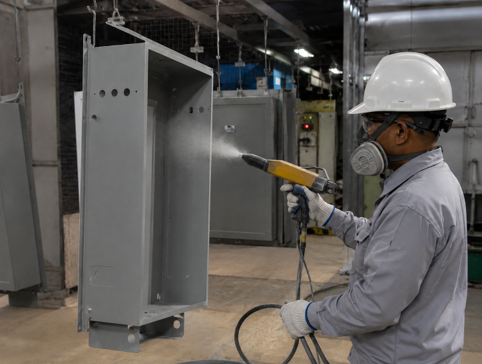
2. Durable Metal Fabrication and Finishing
Proper metal preparation and powder-coated finishing help protect enclosure surfaces while providing a clean and professional appearance.
The quality of the enclosure finish is particularly important in humid environments, where exposed or poorly treated surfaces may become vulnerable to corrosion.
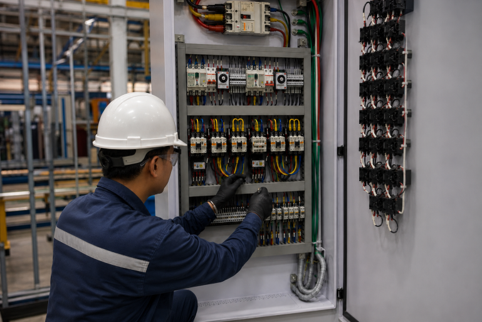
3. Organized Internal Layout
Proper component arrangement supports safer operation, better airflow, easier inspection, and more efficient maintenance.
An organized layout also helps reduce unnecessary cable congestion and makes it easier for technicians to identify components during testing and servicing.
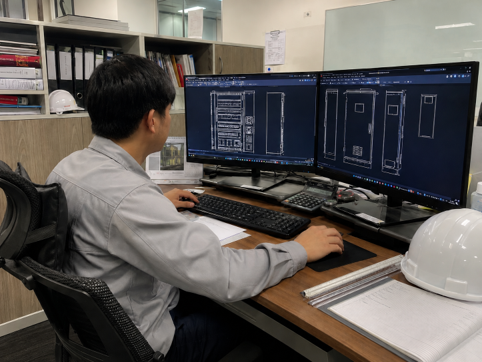
4. Coordinated Shop Drawings
Before fabrication, shop drawings help confirm equipment dimensions, component locations, busbar arrangements, cable entry points, mounting details, and enclosure requirements.
This process helps reduce fabrication errors and ensures that the final equipment is aligned with the approved design.
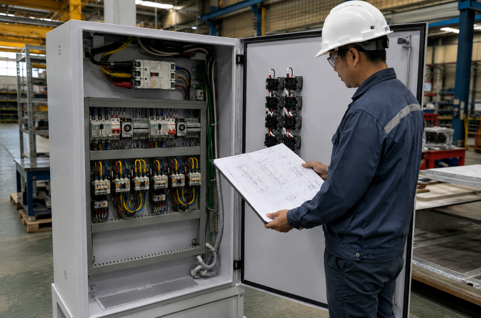
5. Inspection and Testing
Completed assemblies undergo inspection and applicable testing before delivery. These checks help verify workmanship, mechanical operation, electrical continuity, component installation, and general compliance with approved requirements.
Installation and Maintenance Remain Essential
Even a well-fabricated panelboard or switchgear assembly can experience problems when installed in an unsuitable location or left without proper maintenance.
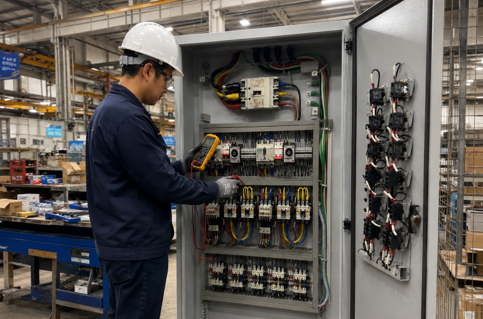
Before and during the rainy season, facility teams should inspect equipment for:
- Water marks or signs of moisture intrusion
- Rust, discoloration, or corrosion
- Damaged or compressed door gaskets
- Unsealed cable entry points
- Loose covers, doors, or hardware
- Unusual odors, sounds, or heat
- Dirt and dust accumulation
- Insect or pest entry
- Signs of electrical tracking or insulation damage
Thermal scanning, insulation resistance testing, torque checking, cleaning, and visual inspection may also be included in a preventive maintenance program based on the equipment condition and facility requirements.
Any inspection or maintenance involving energized equipment must be performed only by qualified electrical personnel following proper safety procedures.
Reliability Starts Before the Rain Arrives
Rainy-season electrical reliability is not achieved through emergency repairs alone. It begins during planning, specification, equipment selection, fabrication, installation, and routine maintenance.
Choosing the right enclosure, protecting cable entry points, controlling moisture, and maintaining the equipment can help reduce the risk of corrosion, insulation damage, and unexpected electrical faults.
Through application-based design, coordinated fabrication, durable enclosure finishing, organized internal assembly, and quality inspection, GEMCOR supports the reliable performance of panelboards and switchgear across different operating environments.
Plan Your Panelboard and Switchgear Requirements with GEMCOR
Whether your project requires panelboards, low-voltage switchgear, medium-voltage switchgear, automatic transfer systems, motor control centers, or other fabricated electrical assemblies, proper planning is essential.
Coordinate with GEMCOR to discuss your electrical specifications, installation environment, enclosure requirements, and project application.
Work with a trusted panelboard and switchgear fabricator that understands the importance of quality, coordination, and long-term electrical reliability.