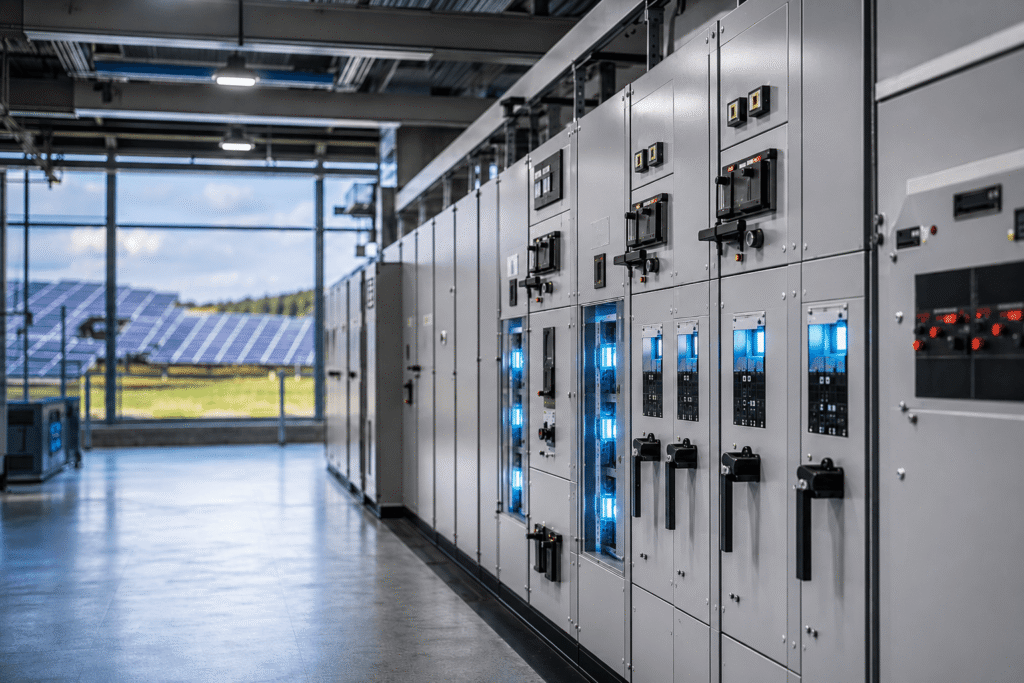
The Philippine transmission grid is entering a new phase. The Energy Regulatory Commission (ERC) is finalizing updates to the 2026 Philippine Grid Code, reshaping the rules that govern how electricity moves across the country to make room for more solar, battery storage, and other renewable sources. For facility owners, electrical designers, and consultants, this is more than a regulatory update. It is a sign that what happens inside your electrical system, not just at the utility level, matters more than ever.
As the grid welcomes more variable, inverter-based generation, power quality inside buildings and plants becomes harder to take for granted. Here is what is changing, why it raises the stakes for power quality, and how the right equipment keeps your system reliable through the transition.
A Grid Built for a Different Kind of Power
Under the updated grid code, ERC is introducing new technical requirements for solar-plus-storage plants that use grid-forming inverters, along with standards for standalone storage systems using the same technology. The goal is to help the grid stay stable as more solar, battery storage, and other variable renewable sources come online, alongside new cybersecurity, grid planning, and reserve and reliability requirements.
In practice, this means the power arriving at your service entrance will increasingly come from a mix of conventional generation and inverter-based renewable sources, rather than large synchronous plants alone. That mix is good for the country’s energy transition, but it also means voltage and frequency behavior at the grid level is becoming more dynamic, and facilities need equipment that can absorb that variability without passing it on to sensitive loads.
For more detail on the proposed reforms, pv magazine’s coverage is a useful reference: Philippines proposes transmission grid reforms, updates to net-metering (pv magazine, July 2026).
Three Power Quality Issues Worth Watching
Even before the grid code changes, these three issues were already common causes of downtime, penalties, and premature equipment failure. As grid conditions grow more variable, they become harder to ignore.
Harmonics. Non-linear loads such as variable frequency drives, UPS systems, LED lighting, and inverter-based equipment distort the clean sine wave your system expects. Left unmanaged, harmonics cause overheating in transformers and cables, nuisance tripping of breakers, and shortened equipment life.
Voltage fluctuations. Sags, swells, and flicker can come from motor starting, switching events, or shifts in generation upstream. As more variable renewable capacity connects to the grid, these fluctuations become more frequent, and sensitive electronic and automated equipment is the first to feel it.
Poor power factor. Motors, transformers, and other inductive loads draw reactive power that does no useful work but still adds current to your system. This shows up as higher losses, oversized cables and equipment, and, for many facilities, direct penalties on the electric bill.
How GEMCOR’s Manufactured Product Helps
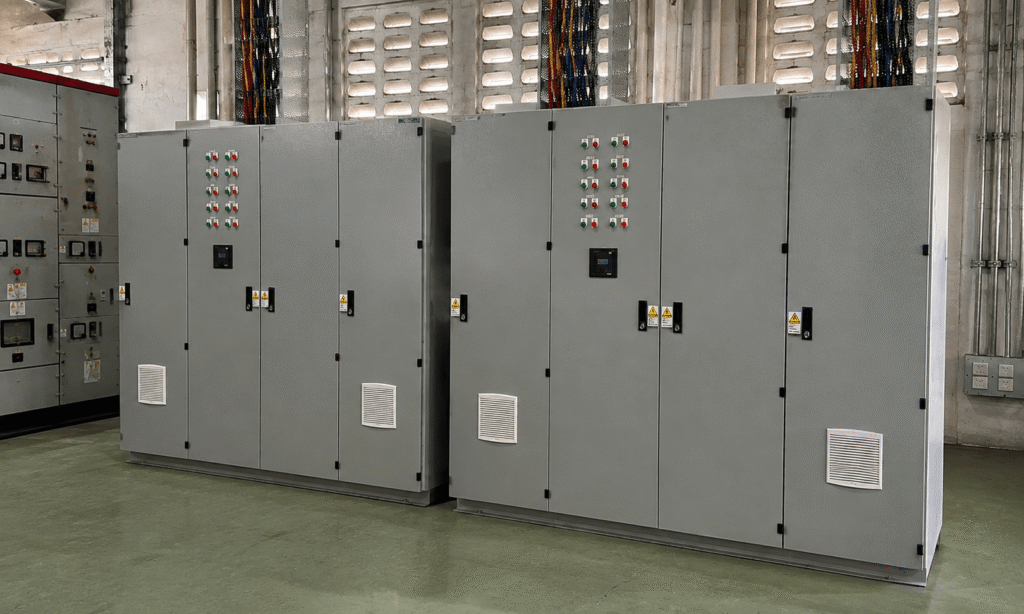
Capacitor banks address poor power factors directly. By supplying reactive power locally instead of drawing it from the utility, they reduce line losses, free up capacity in existing cables and transformers, and help facilities avoid power factor penalties. In a grid environment with more variable generation, a well-sized capacitor bank also gives a facility more control over its own voltage stability, rather than being entirely dependent on upstream conditions.
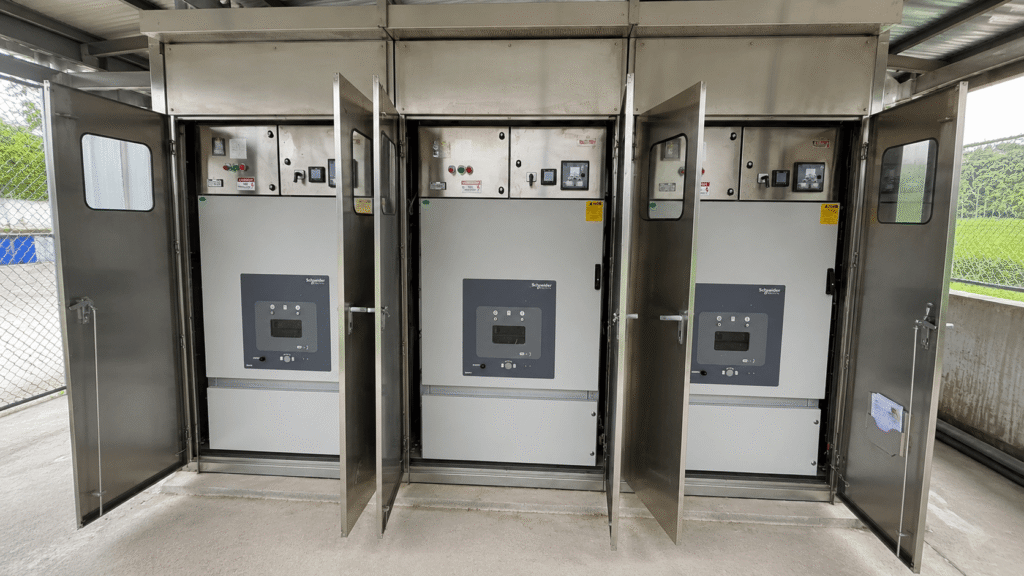
Medium voltage (MV) assemblies play a complementary role. Properly rated switchgear and MV assemblies give a facility the protection, isolation, and switching needed to contain fault conditions before they cascade, and they provide a platform for the monitoring and metering that newer grid and utility requirements increasingly expect. Together, capacitor banks and MV assemblies form the backbone of a facility’s ability to manage its own power quality instead of simply absorbing whatever arrives from the grid.
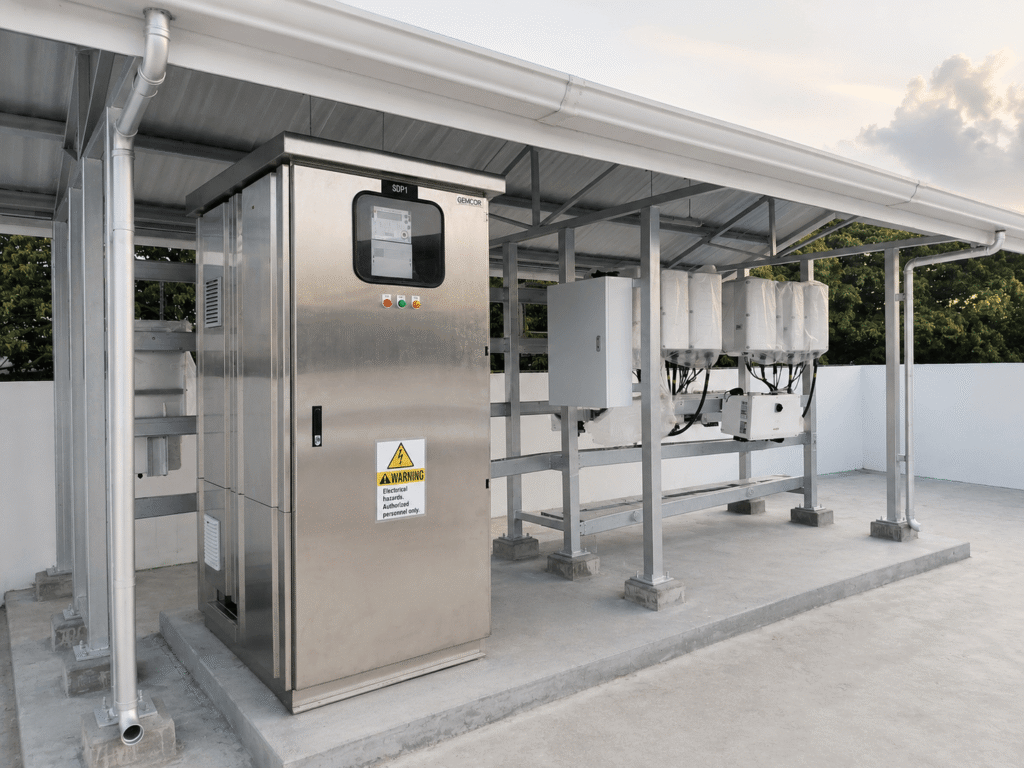
GEMCOR: Built for the Grid Ahead
GEMCOR designs and manufactures panelboards, motor control centers, capacitor banks, and medium voltage assemblies for facilities that cannot afford unplanned downtime. Every assembly goes through factory acceptance testing before it leaves our facility, so owners, designers, and consultants can specify equipment with confidence that it will perform under real operating conditions, not just on paper.
As the grid code evolves and renewable integration accelerates, the facilities best positioned to adapt will be the ones that treat power quality as part of their electrical design from the start, not an afterthought. Whether you are designing a new facility, retrofitting an existing one, or simply reviewing where your system stands today, GEMCOR’s team can help you assess power quality risk and specify the right capacitor banks and MV assemblies for what is ahead.
Ready to review your facility’s power quality? Get in touch with the GEMCOR team to discuss capacitor banks, MV assemblies, and Solar Distribution equipment built for the grid the Philippines is building today.